
Postponement of JPK_ST_KR – what is not included? CIT in SAP
The planned postponement of JPK_ST_KR gives companies more time to prepare the fixed assets and intangible assets report. However, it does not mean a delay of the entire JPK CIT.

The planned postponement of JPK_ST_KR gives companies more time to prepare the fixed assets and intangible assets report. However, it does not mean a delay of the entire JPK CIT.
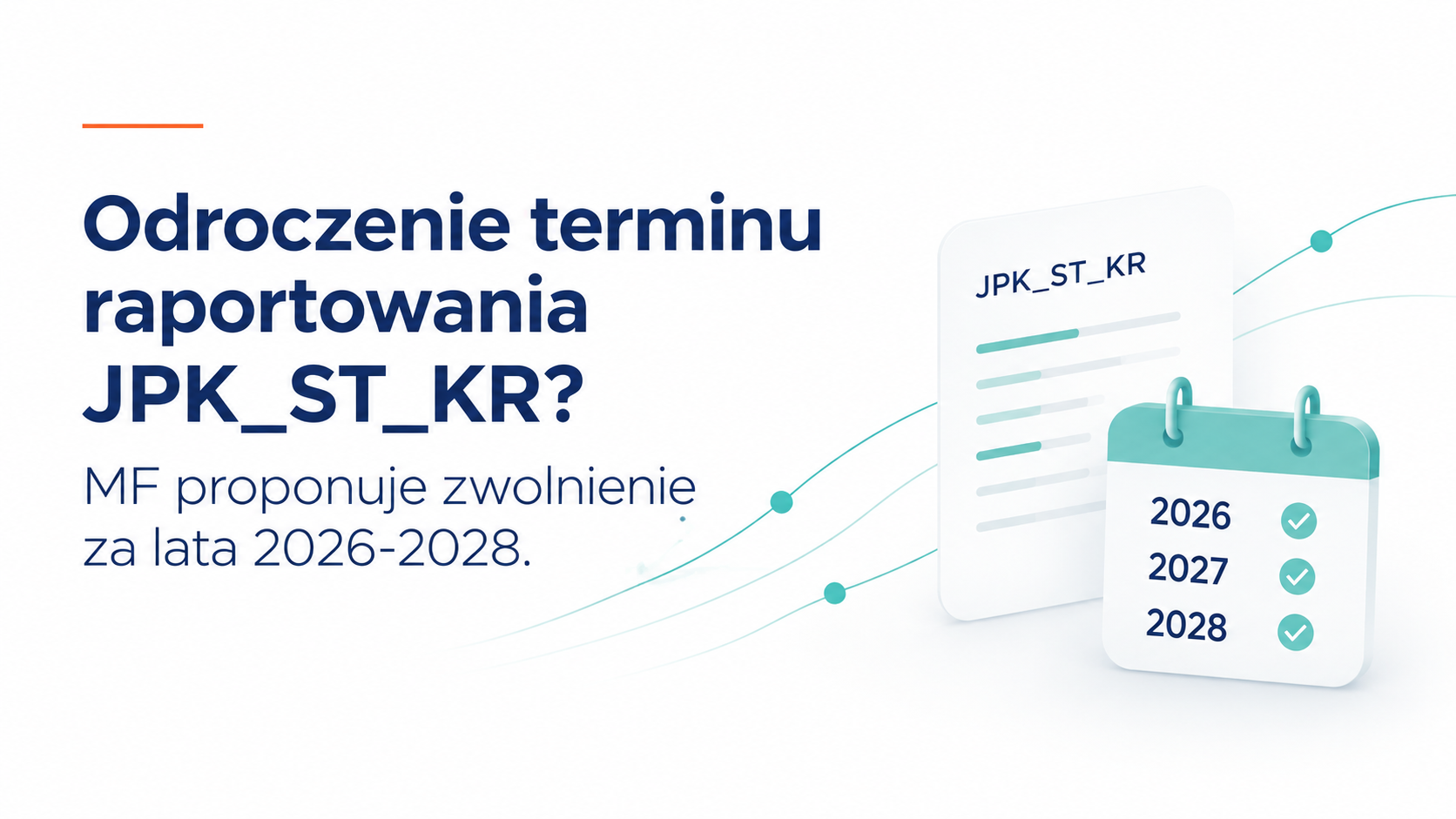
Companies preparing for JPK_ST_KR reporting may receive more time to adapt their systems and organize fixed asset data. The Ministry of Finance and Economy has prepared a draft that assumes postponing the JPK_ST_KR reporting deadline.

Preparing the SAP system for reporting JPK_KR_PD and JPK_ST_KR starts much earlier than generating the XML file. A key stage is the proper preparation of data and determining how the information recorded in the system will be assigned to the fields required by the Ministry's logical structures.

The SAP system provides several places where the user can verify the initial value of a fixed asset. Depending on the scope of analysis, it is useful to use different screens and reports available in the Asset Accounting area.

The history of a fixed asset in SAP presents the full life cycle of an asset item – from its acquisition, through commissioning, depreciation calculation, increases or decreases in value, to sale, liquidation, or removal from records.

With the introduction of the JPK CIT reporting obligation, companies must also prepare the JPK_ST_KR file, covering data on fixed assets and intangible assets. Although many organizations focus on generating the file itself, in practice the success of the entire process depends on the preparation.

Preparing the JPK_ST_KR file is not limited to providing data on fixed assets and intangible assets. Equally important is agreeing on mandatory dictionaries that define permissible values for selected fields in the XML structure.

Reporting accounting books in the JPK_KR_PD format will require entrepreneurs and accountants not only new data but also precise marking and mapping of accounts. Technical errors, incomplete information, or discrepancies with CIT-8 may hinder generating a correct file. How to prepare for these changes and a

From 2026, entrepreneurs face new obligations related to sending JPK files. Changes in the implementation schedule concern both large companies and smaller taxpayers. Check who, when, and which files will have to be sent.

Soon, the largest taxpayers will have to prepare for a revolution in reporting fixed assets and intangible assets. Although the legislator has provided time to implement changes, it is already worth knowing what awaits your company in the near future. JPK new requirements.